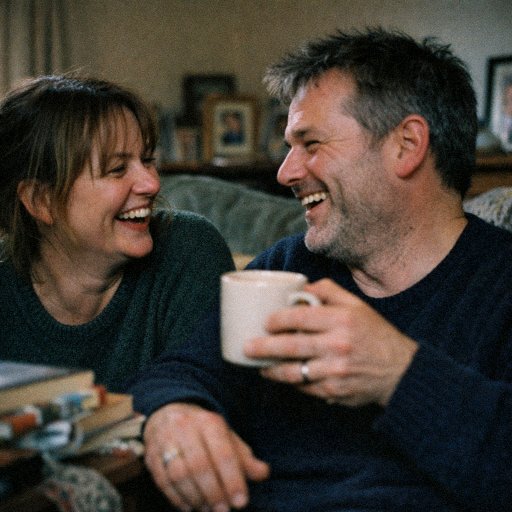
James and Rachael, the couple who own Better Health For Everyone

Owned by James & Rachael — a couple who care about all people getting the right type of healthcare. Where people live, how much they earn and how quickly they are diagnosed still shape what a cancer diagnosis means. None of that is inevitable — it is a gap in access and care, and the evidence here shows where it can change.

Read the research
Better Health For Everyone · Research library

Cancer: A Global Research Library

Open, fully-sourced research on cancer around the world: how common it is, prevention, screening, diagnosis, treatment, inequalities and life after cancer. Free to cite.

For charities & campaigners

Link to, cite and reuse anything here, including the charts. Every figure is sourced. Need the numbers as a spreadsheet? Get in touch.

Where you live, how much you earn and how quickly you are diagnosed still shape what a cancer diagnosis means, far more than they should. Survival has risen in most countries, but the gains are uneven: late diagnosis, long waits, unequal access to treatment and too little support after treatment still decide too many outcomes. None of that is inevitable, and the evidence shows where it can change.

This library brings together what published research, cancer registries and national statistics have found, from many countries, in one place. Every figure is checked against its original source and cited, so charities, support groups, clinicians and journalists can use it with confidence.

3 studies

How common cancer is

3 studies

Risk & prevention

4 studies

Screening & early diagnosis

10 studies

Specific cancers

Specific cancers Breast Cancer Worldwide: Where You Live Shapes Who Survives Five-year breast cancer survival ranges from 41.9% in low-income countries to 87.3% in high-income ones. Global data on incidence, stage, screening, men and metastatic disease. With sources. Read the study Specific cancers Prostate Cancer: Where It Is Found, Where Men Die, and Who Is Most at Risk An estimated 1.5 million men were diagnosed with prostate cancer in 2024; Black men in the US die of it at twice the rate of White men. With sources. Read the study Specific cancers Lung Cancer: The Leading Cause of Cancer Death, Never-Smokers and Stigma Lung cancer caused an estimated 1.9 million deaths in 2024, more than any other cancer. Never-smoker share, late diagnosis, survival and stigma. With sources. Read the study Specific cancers Bowel Cancer Worldwide: Survival Hinges on Stage and Where You Live Colorectal cancer is the second leading cause of cancer death. In England, five-year net survival is 91.6% at stage 1 and 11.0% at stage 4. With sources. Read the study Specific cancers Pancreatic Cancer: Late Diagnosis, Slow Survival Gains and the Funding Gap Pancreatic cancer caused an estimated 490,786 deaths worldwide in 2024, against 531,318 diagnoses. Late diagnosis, survival, care gaps and research funding. With sources. Read the study Specific cancers Blood Cancers: Survival Up for Every Major Type, but Diagnosis Often Comes Late Leukaemia, lymphoma and myeloma: 1.34 million new cases worldwide in 2024, survival gains by type, and myeloma's 163-day median wait for diagnosis. With sources. Read the study Specific cancers Brain Tumours: Rare Overall, a Leading Cause of Cancer Death in the Young Malignant brain tumours are 2.4% of adult cancer deaths but 17% in under-20s worldwide; US five-year relative survival is 34.8%. Incidence, survival, funding and gaps. With sources. Read the study Specific cancers Skin Cancer and Melanoma: Forty-Fold Gaps, and the Commonest Types Go Uncounted Melanoma: 337,969 new cases and 58,398 deaths worldwide in 2024. Non-melanoma skin cancers cause about as many deaths but go largely uncounted. UV, sunbeds, survival. With sources. Read the study Specific cancers Ovarian Cancer Still Found Late, Womb Cancer Rising: Gynaecological Cancer Data Ovarian cancer caused an estimated 203,850 deaths worldwide in 2024 from 330,731 diagnoses, and womb cancer is rising in many countries. With sources. Read the study Specific cancers Children's and Young People's Cancer: Where a Child Lives Shapes Their Chances Five-year survival for childhood cancer is above 80% in most high-income countries but 50-60% in lower-middle-income ones, and many children are never diagnosed. With sources. Read the study
6 studies

Treatment & access

Treatment & access Waiting for Cancer Treatment: Targets, Performance and What Delay Costs In August 2026, 71.9% of people in England started their first cancer treatment within 62 days of an urgent referral, against an 85% standard; no UK nation met its 62-day target. With sources. Read the study Treatment & access Poorer Places, Worse Odds: Cancer Gaps by Deprivation and Education Around 33,800 UK cancer cases a year are linked with deprivation, and survival is lower in poorer areas. The evidence across the UK, Europe and the US. With sources. Read the study Treatment & access Ethnicity and Cancer: Unequal Diagnosis, Care and Survival In the US, Black women's breast cancer death rate is 38% higher than White women's despite lower incidence. Ethnic gaps in stage, care and survival across four countries. With sources. Read the study Treatment & access Access to Cancer Medicines: How Waits and Gaps Differ Around the World New cancer medicines took 655 days on average to become available across the EU; in poorer countries even essential chemotherapy is often missing or paid for in full. With sources. Read the study Treatment & access Who Gets Into Cancer Trials: Participation, Who Is Missing and the Global Gap About 8% of people with cancer assessed for trials at US centres enrol; for 56% no trial was open. Older, Black and Hispanic people and poorer countries are under-represented. With sources. Read the study Treatment & access Global Cancer Gap: Radiotherapy Capacity for 8% of Need in Low-Income Countries Radiotherapy machines in low-income countries could treat an estimated 7.9% of people needing it in 2022. Pathology, workforce and palliative care gaps, and what helps. With sources. Read the study
8 studies

Living with and after cancer

Living with and after cancer Older People With Cancer: Nearly Half of Cases, Too Little Tailored Care In 2012, 47.5% of new cancers worldwide were in people aged 65 and over. Treatment falls with age, yet trials show geriatric assessment cuts serious side-effects. With sources. Read the study Living with and after cancer Life After Cancer: Millions Living With Effects That Outlast Treatment About 18.6 million people in the US and 23.7 million in Europe live after a cancer diagnosis; many have lasting effects and unmet needs. With sources. Read the study Living with and after cancer Mental Health With and After Cancer: Common, Often Missed, Often Untreated About 1 in 6 adults with cancer meet interview criteria for depression; suicide risk is raised most in the first year after diagnosis. With sources. Read the study Living with and after cancer Caring Through Cancer: Carers' Hours, Health and the Gaps in Support At least 2.8 million US adults cared for someone with cancer in the year before a 2015 survey, averaging 32.9 hours a week; pooled studies find depression in 25-42% of carers. With sources. Read the study Living with and after cancer Cancer, Work and Money: How a Diagnosis Hits Jobs and Household Finances Across 36 studies, a third of people after cancer were out of work; in Southeast Asia 48% of those followed up faced financial catastrophe within a year. With sources. Read the study Living with and after cancer Pain Relief and Palliative Care at the End of Life: A Worldwide Gap Only about 14% of the world's need for palliative care is met (WHO; Global Atlas 2026); most of the world shares 13% of medical morphine. Place of death and access compared. With sources. Read the study Living with and after cancer Where People With Cancer Die, and Where They Would Choose To Most people say they would prefer to die at home, yet 31% of cancer deaths in 12 Latin American countries and 23.5% in Sweden were at home. What helps. With sources. Read the study Living with and after cancer Late and Unequal: Who Receives Palliative Care for Cancer, and When Across 64 UK hospices, the median time from referral to death was 48 days. Who gets palliative care, when, and what early-care trials found. With sources. Read the study
4 studies

Understanding the evidence