Published data, not estimates
Figures come from official returns and peer-reviewed work. Where a figure is contested or a dataset is weak, the study says so rather than picking the number that reads best.
Better Health For Everyone publishes open, fully-sourced research on how healthcare access and outcomes differ by disability, ethnicity, income, age and where someone lives — free for anyone to read, cite and reuse.
Where you live, what you earn, the colour of your skin and whether you are disabled all change how quickly you are seen, how well you are listened to and how long you live. Most of that is measured somewhere — in NHS returns, ONS data, government reviews, peer-reviewed studies and charities’ own reporting — and published nowhere that anyone trying to argue for better care can actually use.
So we gather it, check every figure against its source, date it, and give it away. The people most likely to be failed by a health system are often the least likely to have the evidence about their own care in front of them. The research hub exists to change that in a small way.
It now holds 63 published studies across 28 areas of health and care — from autism and Down’s syndrome to dementia, veterans, unpaid carers, homelessness and refugee health. Each one brings together the published evidence, national statistics and what charities themselves report.
The first full library is Autism & Health: 36 studies covering diagnosis waits, co-occurring conditions, mental health, life expectancy and access to care. No paywall, no sign-up and no pitch.
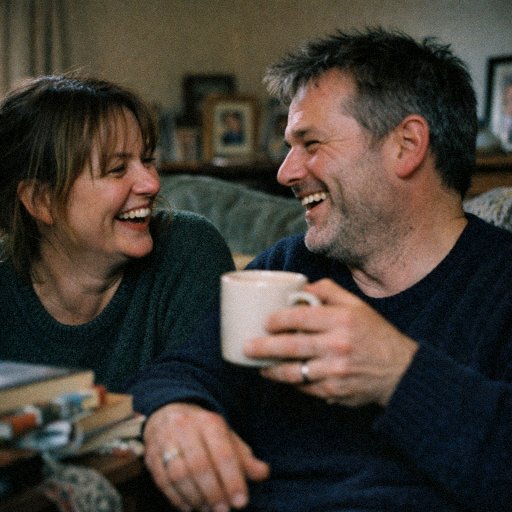
Better Health For Everyone is run by the two of us, Rachael and James, together. Helping the right people get the right healthcare has always mattered to us personally, which is why the research is free, open and ours to give away.
Figures come from official returns and peer-reviewed work. Where a figure is contested or a dataset is weak, the study says so rather than picking the number that reads best.
Every study lists its sources with the body, the publication and the date, so you can check a figure against the original instead of taking our word for it.
Health data ages. Each study carries the period its figures cover and when we last checked them, so you can see how current it is before you quote it.
Quote it, chart it, put it in a funding bid or a consultation response. A link back is welcome but it is not a condition.
Everything in the hub is free for charities, campaigners, journalists and researchers to read, cite and link to. If you need a figure cut a different way, want the underlying sources for something, or think we have a number wrong, tell us — corrections are the fastest way to make this more useful, and a person will reply.
The research is a summary of other people’s published work, not original clinical study, and it is not medical advice. For anything about your own care, speak to a clinician.
Rachael and James research, write and maintain everything here. The research is general information drawn from published sources, and is not a substitute for medical advice or regulated financial advice.